What is a bird tick list? (And why birders love them)
A bird tick list is simply a list of every bird species you’ve seen — each new one gets “ticked off”. It’s the beating heart of the hobby for most birders, and this guide covers what a tick list is, the jargon that comes with it, and how to start your own.
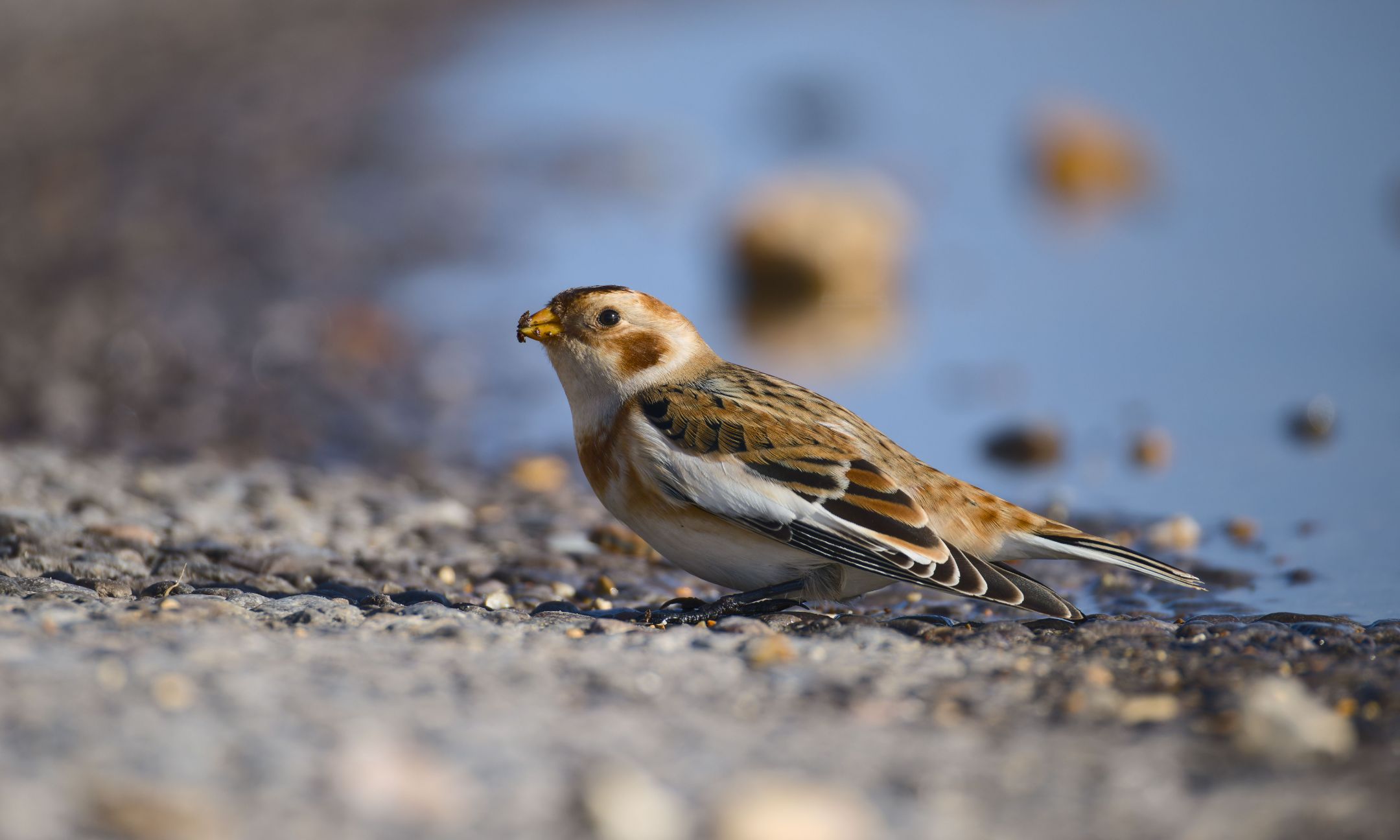
What is a bird tick list?
A bird tick list is a record of every bird species you’ve personally seen. Each species goes on once — the first time you see it — and after that it’s ticked. See a hundred more Robins and your list doesn’t change; see your first Firecrest and it grows by one.
You’ll hear “tick list” and “life list” used almost interchangeably. Strictly, your life list is the tick list of everything you’ve ever seen, while a tick list can be any list you tick species off — a year list, say, or the birds on your local patch.
The name is wonderfully literal. For decades, birders kept their lists in the checklist at the back of their field guide, putting a tick next to each species as they saw it. Plenty still do — and the habit has outlived the pencil.
The birding jargon, decoded
Spend five minutes with birders and you’ll hear words that sound like nonsense. Here’s what they mean:
- Tick — a species added to your list.
- Lifer — a bird you’ve never seen before, so a brand-new tick on your life list.
- Year tick — the first time you see a species in a calendar year.
- Twitch / twitcher — travelling to see a rare bird someone else has found, and the person who does it.
- Dip — going to see a bird and missing it. Every twitcher has a dip story.
- Patch tick — a new species for your local patch.
- Self-found — a bird you found yourself, rather than one you went to see.
- Plastic — an escaped or released bird that normally wouldn’t count.
Which tick lists should you keep?
Most birders keep several lists at once, because each gives you a different reason to head out. Your life list grows slowly and rewards years of birding. A year list resets every 1 January, so even common birds feel exciting again in winter. A month list keeps you going out week to week, and a patch list turns one local spot into an ongoing project. Many people add country or county lists too.
If you’re not sure where to begin, our guide to the life list, year list and patch list explains how they fit together.
What counts as a tick?
There’s no referee, but most birders follow the same rules of thumb. The bird should be wild and free-flying, alive, and identified with confidence. Heard-only birds are the classic grey area: some birders count a confident call or song, others insist on seeing the bird. Decide your own policy and stick to it.
Names also change. As scientists learn more, species are split, merged and renamed, which can quietly shift your total. Trip Tick follows AviList, the unified global checklist, so your list stays in step with the rest of the birding world.
Above all, keep it light. It’s your list, and honesty is what makes it worth keeping.
How to start your bird tick list
- Start close to home. Your garden or nearest park is perfect — every bird you see is a first tick.
- Note the date and place as well as the species. It turns a list into a record you’ll love looking back on.
- Back-fill the birds you’re sure of. If you know you’ve seen a Kingfisher before, add it.
- Pick a tool. A notebook, a spreadsheet or an app all work — choose the one you’ll actually keep up.
For more on making the habit stick, read our guide to keeping a birding life list.
Keeping your bird tick list in an app
Paper and spreadsheets work, but totals get fiddly, and lists drift as names change. Trip Tick is a bird tick list app built for exactly this. Log a sighting and your life, year and month totals update themselves, with new ticks worked out for you. It works offline in the field, keeps lists by country and region, and milestones and badges keep you chasing the next one. Premium adds 21 detailed reports and leaderboards to compete with friends.
Already have a list in a notebook or spreadsheet? We’ll import it for you, free.
Frequently asked questions
What’s the difference between a tick list and a life list?
They’re often used to mean the same thing. A life list is the tick list of every species you’ve ever seen, while “tick list” can also describe any list you tick species off, such as a year list or a patch list.
What is a lifer in birdwatching?
A lifer is a bird species you’ve never seen before. Seeing one adds a new tick to your life list, and it’s one of the best feelings in birding.
Do heard-only birds count as a tick?
It’s up to you. Many birders count a bird they’ve heard and identified with confidence, while others only count birds they’ve seen. Pick a rule and apply it consistently, and you can mark heard-only sightings so you always know which is which.
What’s the best app for a bird tick list?
Look for an app that works out new ticks for you, keeps life, year and month totals automatically, and works offline in the field. Trip Tick does all three, follows AviList so your names stay current, and will import your existing list free.
Start your free trial →