AviList 2026: what’s changed, and what it means for your Trip Tick list
AviList, the unified global checklist of the world’s birds, has released its first annual update — version 2026. Trip Tick has now been updated to match, so the species names in the app line up with the latest version of the list.
What is AviList?
For decades, birders worked from several competing world lists, which disagreed on what counted as a species. AviList, launched in June 2025, brought the major authorities together into one agreed checklist, now used by organisations including BirdLife International and the Cornell Lab of Ornithology, the team behind eBird. Trip Tick has followed AviList from the start, which is why we said we’d update the app every year when a new version is released. This is that update.
Version 2026 is the first annual revision, and AviList now plans a new edition every autumn. It brings the major lists even closer together: according to BirdLife International, AviList and eBird now agree on 97.7% of species, with eBird’s own 2026 update following on.
The headline changes
Most of the changes involve birds far from the UK, but a few will interest anyone who birds around Europe.
- Mediterranean Flycatcher (Muscicapa tyrrhenica) is now a full species, split from Spotted Flycatcher. It covers the birds of the Balearic Islands and the nearby mainland.
- Maghreb Wheatear (Oenanthe halophila) is recognised as a separate species within the Mourning Wheatear group — one to note if you’ve birded in North Africa.
- Canary Islands Robin has been split, recognising the Robins of the Canary Islands as their own species.
- Willet is split in two: Saltmarsh Willet in the east and Prairie Willet in the west of North America.
- Warbling Vireo is split into Eastern and Western Warbling Vireo.
- House Swift has been lumped with Little Swift, and is now counted under Little Swift.
New scientific names for familiar birds
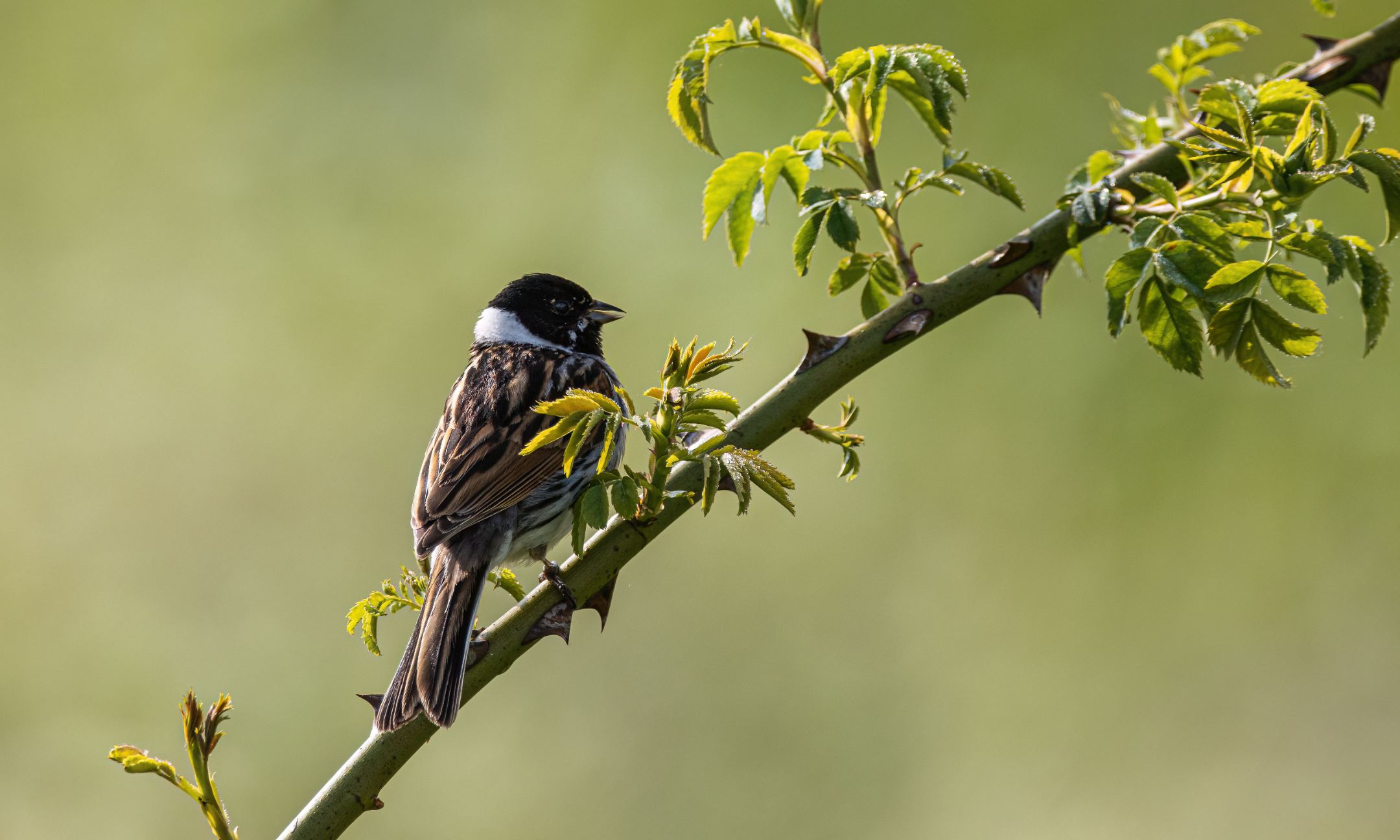
Some birds you’ll know well have new scientific names, even though their English names stay the same. Wren is now Nannus troglodytes, and Reed Bunting is now Schoeniclus schoeniclus. Your sightings of them don’t change — only the Latin name you’ll see beside them.
What it means for your Trip Tick list
For most UK birders, very little changes. Your records stay exactly where they are, and species that have only been renamed simply show their new name.
Splits and lumps can nudge your totals, though. A lump can reduce your count by one if you’d seen both of the former species — House Swift and Little Swift, for example. A split works the other way, and can open the door to an extra species next time you travel.
If you’ve logged Spotted Flycatcher in the Balearics or nearby, or Robins in the Canary Islands, it’s worth checking those sightings. If anything looks wrong after the update, let us know and we’ll help put it right.
Why we keep up to date
Following AviList means your list matches the one the rest of the birding and conservation world is using. When you compare totals with a friend, read a field guide or look up a species on eBird, you’re all counting the same birds. You can read more in how Trip Tick keeps its species list up to date.
Sources: AviList v2026 announcement, BirdLife International, eBird 2026 taxonomy update.