Birdwatching is cool now — why a new generation is picking up binoculars
Birdwatching has spent decades saddled with a certain image — wax jackets, flasks of tea, a quiet scan of the hedgerow before heading home. That picture is now badly out of date, and the numbers prove it.
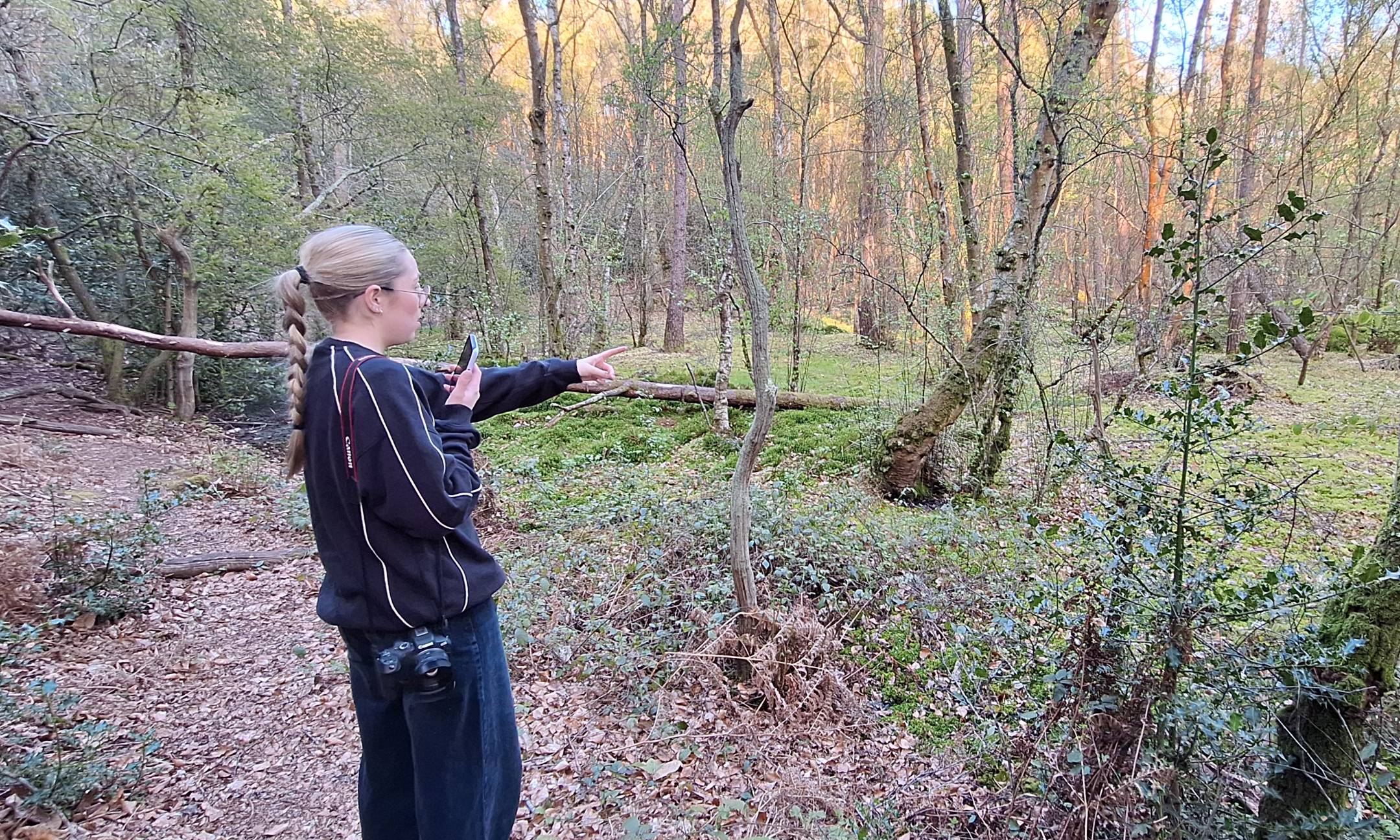
Nearly 750,000 young people are now birdwatching
Research highlighted by the BBC in its report “Birdwatching is cool now – young people tell us why” found that close to 750,000 people aged 16–29 in the UK now birdwatch regularly — a substantial rise on 2018. For a hobby long associated with an ageing demographic, that is a significant shift: students joining birding societies, young birders swapping sightings online, and local patches being explored by people who would not previously have called themselves birdwatchers.
Why birdwatching appeals to a screen-weary generation
The simplest explanation is also the most convincing — people want to be outside. Between work, streaming, gaming and social media, a great deal of modern life happens on a screen, and birdwatching offers the exact opposite. There is no destination to reach and no equipment barrier: a local park, a stretch of canal, a garden or a bedroom window is enough to start.
What changes is your attention. A pigeon stops being just a pigeon once you can separate a Woodpigeon from a Stock Dove. You start picking a Blackbird’s song out of the morning, or noticing a Kestrel holding station over a verge. As the RSPB points out in its beginner’s guide, you need neither expensive optics nor specialist knowledge to begin — only the willingness to look properly at what is already around you.
It has become a social hobby, not a solitary one
The biggest change is that birding is no longer something done alone. Young birders are building communities around it — sharing sightings, recommending sites, helping each other with tricky identifications and organising trips together. The BBC’s reporting described young people joining RSPB outings and discovering green spaces on their doorstep they had never visited.
Social media has played an unexpected part in that. It sounds contradictory that a hobby about putting your phone down has grown through TikTok and Instagram, but birding content has found a real audience there. Someone sees a species they have never heard of, learns how to identify it, spots where others have been looking — and then goes outside. The phone becomes the doorway rather than the destination.
Technology is what makes an analogue hobby accessible
There is a useful irony here: technology is not replacing birdwatching, it is lowering the barrier to entry. Identification apps help beginners work out what just flew past or what is singing overhead. Online communities introduce people to birds they did not know occurred locally.
The result is a modern kind of birding that combines two things which sound opposed — digital tools and time spent in nature. Use your phone to confirm an identification, check a distribution, learn a call and log the sighting; then put it away and actually watch the bird.
You do not need to be an expert to start
You do not need hundreds of species under your belt, a grasp of technical plumage terminology or a costly camera. You do not strictly need binoculars on day one. Learn the birds around you — five species, then ten, then twenty. Fairly soon you are recognising calls before you see the bird, noticing when summer migrants arrive, and checking what is possible every time you visit somewhere new. That is the point at which it becomes genuinely addictive: there is always another bird to find.
The competitive side is part of the appeal
Birding also has a quietly competitive streak, and younger birders have leaned into it. How many species in a day? How many so far this year? Can you find something your friends have not? Can you beat last year’s total? Friendly rivalry turns an ordinary walk into a treasure hunt, and you never quite know what you will turn up.
Good for wellbeing, and good for birds
This rise coincides with a broader appetite for slowing down and switching off, and the RSPB is clear about the benefits of time spent in nature. Birding forces a change of pace — you have to listen, look carefully and be patient. Some mornings you see very little; occasionally something remarkable appears with no warning. The unpredictability is the reward.
The longer-term significance is conservation. More people who care about birds means more people invested in protecting them. The scale of the RSPB’s Big Garden Birdwatch shows what that collective interest can achieve — in 2026 more than 650,000 people took part and recorded 9.4 million birds between them. Getting a new generation interested does not just produce more birdwatchers; it produces people who notice when birds vanish, who understand habitat and migration, and who will argue for protecting both.
Where Trip Tick comes in
This is a large part of why I built Trip Tick. Birding is about the places you go and the birds you find — but those sightings fade into vague memory unless you record them somewhere.
If you are just starting out, Trip Tick is designed to make that part effortless:
- Log a trip in seconds, wherever you are. Species search is fast, and everything works fully offline — so a reserve with no signal is no obstacle. See how to record a trip.
- Your life list builds itself. Every sighting you log feeds your life, year, month and location totals automatically — no spreadsheet admin.
- Leaderboards make the competitive side real. Create a leaderboard, invite your friends, and compare life, year, month and 30-day totals. If friendly rivalry is what hooks you, this is the part you will use most.
- Twenty-one reports show you your own patterns. Top locations, best years, country and county breakdowns — the kind of insight that turns a list into a picture of your birding.
- Start free, and keep your data. Logging is free forever, and your records are always yours to export.
Coming from a spreadsheet or another app? Send it over and we will convert it for you, so you start with your real total rather than zero — see how to import your existing life list.
So is birdwatching cool now?
The better question is why it would not be. You get outside, discover new places, learn about wildlife, meet people, compete with friends, and can pursue it on your local patch or halfway around the world. Every trip carries the possibility of something you have never seen before.
Birdwatching was always a brilliant hobby. What is changing is who is finding it — and if nearly 750,000 young people are already involved, the next generation of birders has well and truly arrived.
Free forever to log your birding, and it takes under a minute to set up.
Open Trip Tick →
Sources: figures and quotes referenced above come from the BBC’s report “Birdwatching is cool now – young people tell us why”, with additional background from the RSPB.