Birdwatching for beginners: it’s easier (and cheaper) than you think
People often picture birdwatchers as serious types in camouflage, standing in a muddy hide with a camera lens the size of a drainpipe. Some birders are like that, and good luck to them. But you don’t need any of it to get started. You can start birdwatching today, from your kitchen window, without spending a penny.
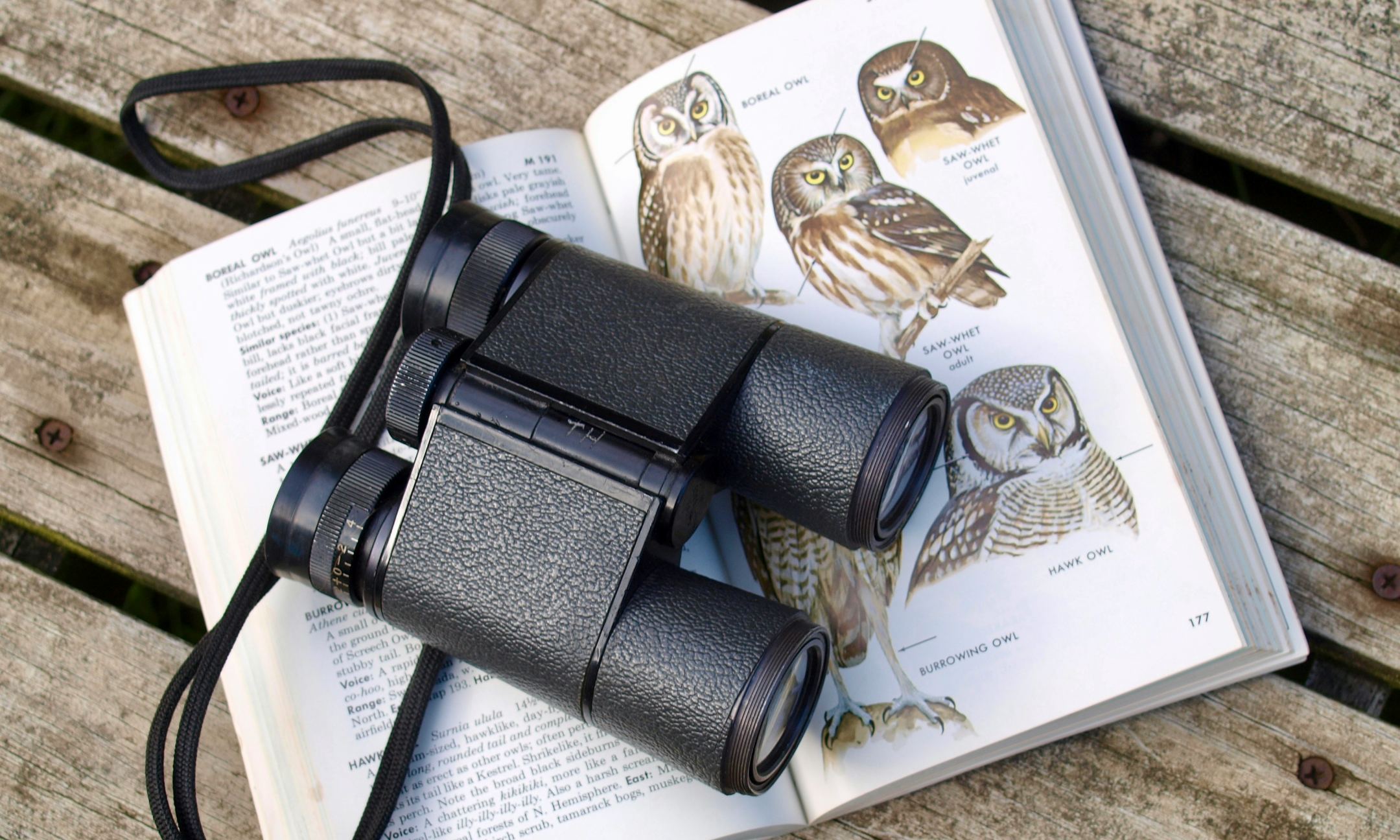
You already have the most important kit
The two things that matter most are your eyes and your ears. Most birds you’ll meet in your first few months live in the places you already go: gardens, parks, canal towpaths, the local reservoir, even supermarket car parks.
Start by just noticing. Next time you’re outside, stop for two minutes and count how many different birds you can see or hear. Most people are surprised by the answer. A typical town garden or park can easily turn up ten or fifteen species on an ordinary morning: Blackbird, Robin, Blue Tit, Great Tit, Woodpigeon, Magpie, Starling, House Sparrow and more.
Learn a few common birds really well
Beginners often try to learn everything at once and get overwhelmed. Try the opposite. Get to know five or six common birds so well that you’d recognise them anywhere, from any angle, at a glance.
Once you know a Blackbird, a Robin and a Blue Tit by heart, anything that isn’t one of those will jump out at you. That’s when birding gets exciting. “That’s not a Blue Tit… so what is it?” is how most people get hooked.
When you spot something new, look at:
- Size: is it sparrow-sized, blackbird-sized or pigeon-sized?
- Shape: short fat beak or long thin one? Long tail or stubby?
- Behaviour: is it hopping on the ground, climbing up a tree trunk, or hovering?
- Where it is: on water, in a hedge, in the middle of a field?
You’ll often identify a bird from these clues before you’ve even noticed its colours.
Free help is everywhere
You don’t need to buy a stack of books. Some of the best tools are free:
- Merlin Bird ID, a free app from the Cornell Lab of Ornithology, can identify birds from a photo, from their song, or from a few quick questions. The sound ID feature is almost magical: hold your phone up in a park and watch it name the singers around you.
- The RSPB website has a free bird identifier and a profile for every UK species.
- Local bird groups and nature reserves often run free or cheap guided walks. Walking round with experienced birders is one of the fastest ways to learn, and they’re nearly always happy to help a beginner.
If you’d like a book, a secondhand field guide costs a few pounds online or in a charity shop. Birds don’t change much between editions.
Binoculars: you don’t need to spend a fortune
At some point you’ll probably want binoculars. Here’s the good news: you don’t need to spend hundreds. A decent pair of beginner binoculars costs around £50 to £150, and that will do the job for years. Some pointers:
- Look for 8×42 or 8×32. The first number is the magnification and the second is the lens size. 8x is steady enough to hold still and gives you a wide view, so birds are easier to find. Stronger magnification sounds better but makes the picture shakier.
- Try before you buy if you can. Some nature reserves and outdoor shops will let you try a few pairs. Pick the ones that feel comfortable in your hands.
- Consider secondhand. Good binoculars last for decades, and plenty of well-looked-after pairs are sold on for a fraction of the price new.
- Borrow first. Ask around. Someone in your family probably has an old pair in a drawer.
You don’t need a camera, a telescope, a special coat or a hide. All of those are nice to have later, if you catch the bug.
Make it a habit, not a chore
Birdwatching fits into life easily. You don’t need to plan an expedition:
- Watch the garden or the view from your window while the kettle boils.
- Take a slightly longer route through the park on your way to work.
- Put up a bird feeder. Even a cheap one will bring birds close enough to see properly.
- Join a citizen science project like the RSPB’s Big Garden Birdwatch each January. You spend one hour counting birds, and your results help conservation.
The seasons keep it interesting. Winter brings geese, ducks and thrushes from further north. Spring brings summer visitors like Swallows and warblers, and the dawn chorus is at its best. Autumn migration can turn up anything. Even a patch you know well will change through the year.
Keep a list and watch it grow
Many birders get a lot of pleasure from keeping a list: every species they’ve seen, where and when. It’s a lovely record of your walks and trips, and it’s very satisfying to watch the numbers climb. “My 50th bird!” is a milestone worth celebrating.
That’s exactly why we built Trip Tick. You can log what you see as you go, even without phone signal, and build up your life list, year list and lists for every place you visit. It turns a pleasant walk into a record you can look back on, and it gives you a little nudge to get outside and find your next new bird.
Just start
There’s no wrong way to go birdwatching. You don’t need to know anything, own anything or join anything. Just look up, listen, and get curious about what’s out there. You’ll soon wonder how you ever walked past them without noticing.
Happy birding!
Start free →