Birds are everywhere: how to start birdwatching on your everyday walks
You don’t need a nature reserve, a hide or expensive binoculars to start birdwatching — you just need to notice. Birds are on the school run, in the supermarket car park, on the roof opposite your office and in the hedge at the end of your road.
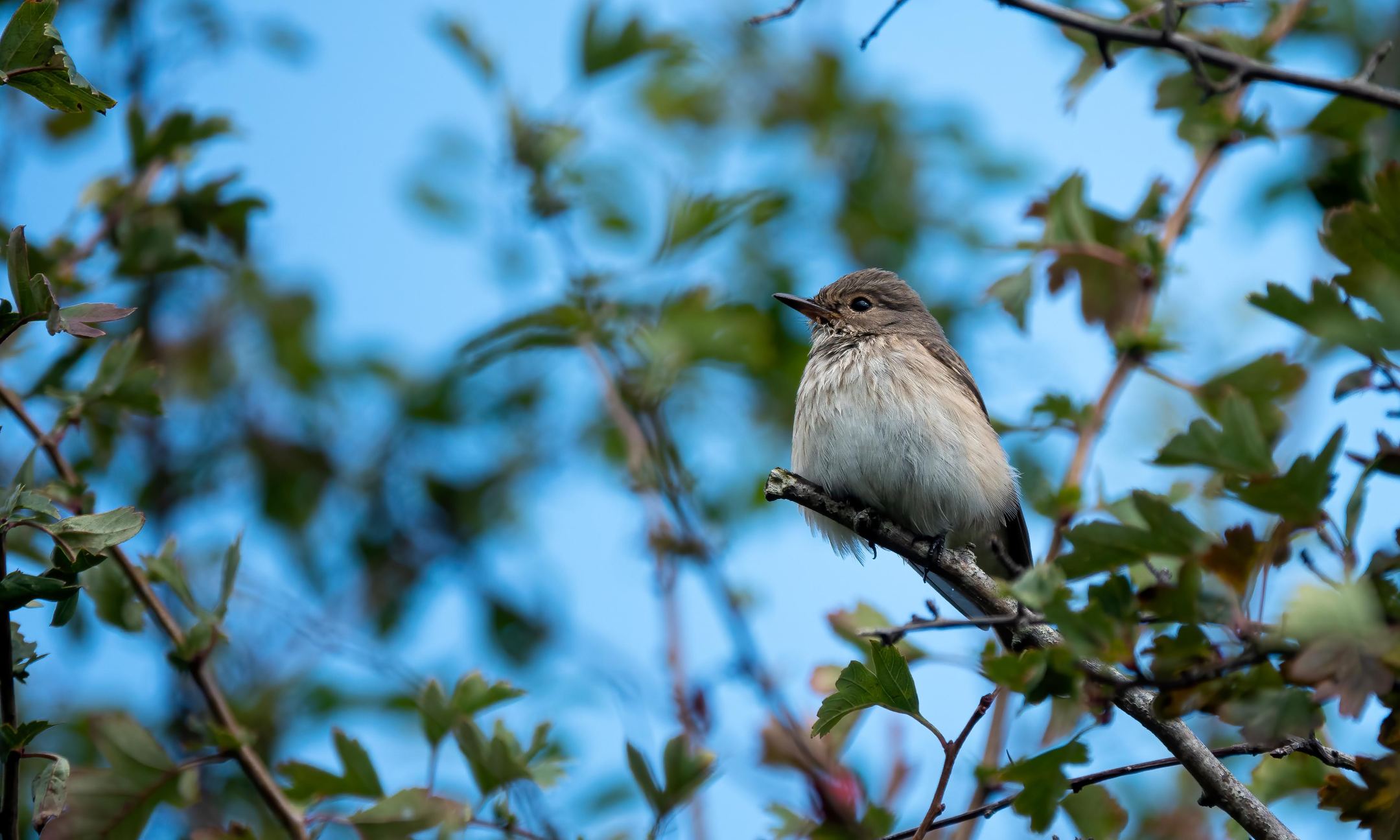
Most of us walk past dozens of birds every day without registering them. Once you start paying attention, you’ll be amazed how many species share your everyday world — and once you start counting them, birdwatching quickly becomes addictive.
Where to look for birds on everyday walks
Every outing is a chance to see birds. These are some of the easiest places to start:
- Your garden or street. Robins, Blackbirds, Wrens, House Sparrows and Blue Tits are regulars in hedges, gardens and on fences.
- Town centres and car parks. Look up at rooftops and lamp posts for Starlings, Pied Wagtails, Feral Pigeons and gulls.
- Parks and playing fields. Open grass attracts thrushes, crows, Magpies and Jackdaws, while the trees hold tits, finches and woodpeckers.
- Rivers, canals and ponds. Even a small pond can bring Mallards, Moorhens and Coots — and, if you’re lucky, a flash of Kingfisher blue.
- The coast. Seafronts, harbours and beaches are great for gulls, Turnstones, Oystercatchers and Cormorants.
- The daily commute. Train windows and motorway verges are surprisingly good for Buzzards, Kestrels and Red Kites.
The trick is to treat every walk, errand or lunch break as a mini birding trip. Ten minutes on a park bench can easily turn up ten species.
How to birdwatch when you’re out and about
Birdwatching is mostly about slowing down and using your ears as much as your eyes. A few simple habits make a big difference:
- Listen first. You’ll hear far more birds than you see, and a song or call is often the first clue that one is nearby.
- Look for movement. Scan hedges, treetops and rooflines for the flick of a wing or a hop between branches.
- Notice the basics. Size, shape, colour, how it moves and where it is will all help you identify it later.
- Be patient and still. Birds settle quickly once you stop moving — give it a minute and more will appear.
- Go early if you can. Mornings are the busiest time for birdsong, especially in spring.
As for kit, your phone is a perfectly good place to start. A small pair of binoculars is a lovely upgrade when you’re ready, but it isn’t essential.
Let Merlin help you identify what you hear
The hardest part for new birders is putting a name to a sound. That’s where Merlin Bird ID, a free app from the Cornell Lab of Ornithology, comes in:
- Sound ID listens through your phone’s microphone and suggests the birds singing around you, live, as you walk.
- Photo ID suggests a species from a picture you’ve taken — even a distant or blurry one.
- Step-by-step ID asks a few simple questions about size, colour and location, then offers likely matches.
- Bird packs can be downloaded for your region, so it works without signal.
Treat Merlin’s suggestions as a helpful nudge rather than the final word, and try to get a look at the bird to confirm it where you can. Over time, you’ll start recognising the common songs yourself.
Log every sighting in Trip Tick
Merlin helps you find out what a bird is. Trip Tick helps you keep a record of everything you’ve seen, wherever you saw it — and every walk to the shops counts as a trip.
- Record a trip. Open Trip Tick, tap Record a Trip and choose your location, whether that’s your garden, your local park or a beach on holiday.
- Add your species. Search a database of more than 11,000 bird species worldwide and tick off everything you saw or heard.
- Spot your new ticks. Trip Tick instantly flags any lifers (birds you’ve never recorded before) and year ticks as you log them.
- Keep going offline. Trip Tick works without signal, so you can log on a clifftop or deep in the countryside and it syncs when you’re back online.
Logging as you go takes seconds, and it means no sighting is ever forgotten.
Watch your bird list grow
This is where the fun really starts. Your Trip Tick dashboard shows your life list, year list, month list and country totals, all updating as you log.
You might start with 15 species from your garden and local park. A trip to the coast adds a few more, an autumn walk brings in the winter visitors, and suddenly you’re closing in on 100. With Premium, Trip Tick’s reports show how your totals compare year on year, when you first saw each species and which months are your best.
Every bird counts, from the Robin on your fence to a rarity on holiday. So next time you head out, keep your ears open, let Merlin help with the tricky ones, and log it all in Trip Tick.
Start your free account →